Flower Rose Font I: A Designer’s Honest Review for Real Projects
As a designer who stitches out dozens of fonts every season, I’ve learned that pretty previews don’t always translate into reliable machine embroidery designs. When I first opened Flower Rose Font I, I was preparing a custom order of back-to-school teacher totes and personalized gifts for a local boutique. I needed lettering that felt special, not just another script. This review comes straight from my digitizing software and my sewing machine, evaluating how this embroidery file performs in the real world, where puckers, thread breaks, and customer expectations are the true test of a design’s worth.
Let’s break down exactly where Flower Rose Font I shines, where you need to be cautious, and how to turn it into a profitable finished product for your craft business.
Blossoming Letters: The Mood of Flower Rose Font I
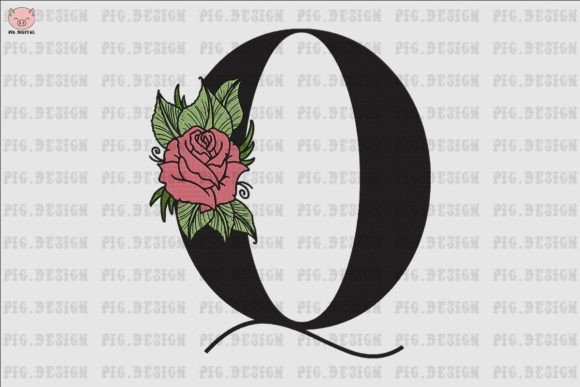
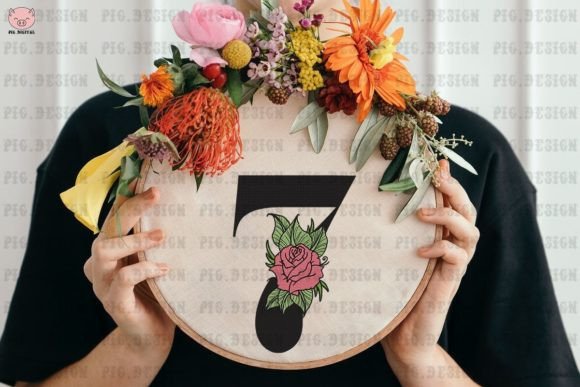
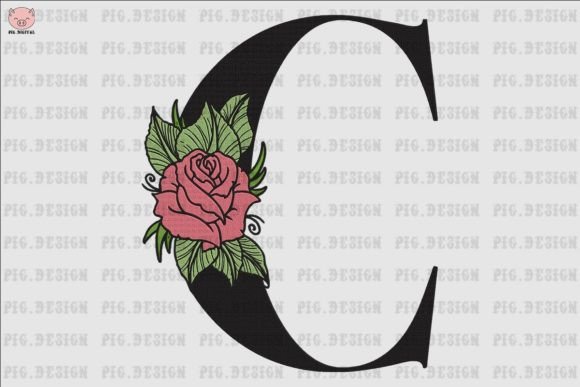
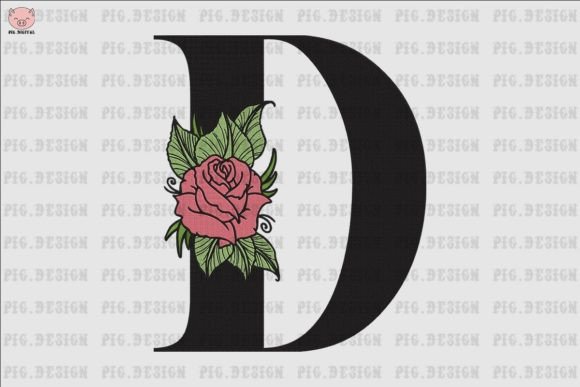
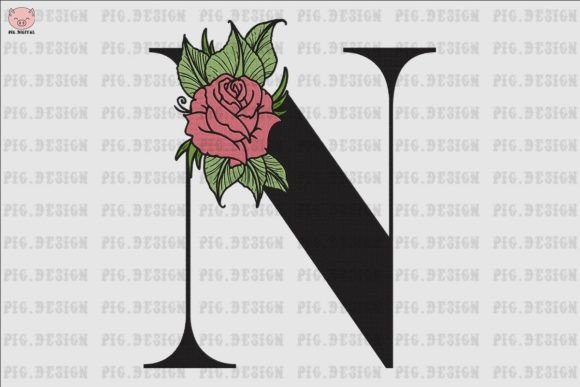
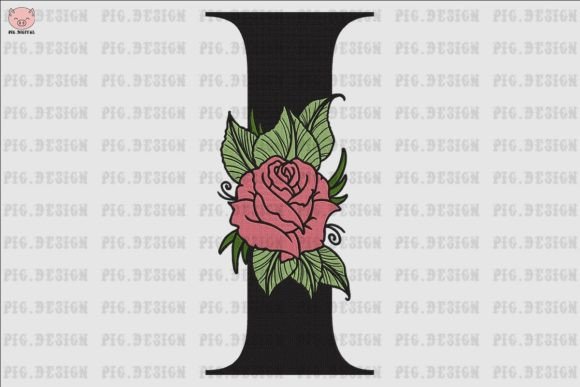
The first impression of this embroidery project is undeniably romantic and handcrafted. Unlike standard block or smooth script fonts, Flower Rose Font I integrates small rose motifs directly into the letterforms. The visual personality is soft, vintage-inspired, and detailed. It immediately calls to mind boutique nurseries, floral-themed wedding gifts, and elegant personalized gifts for women. For a back-to-school project, it is the perfect choice for a teacher’s name on a tote bag design or a floral-loving student’s sweatshirt embroidery.
This is not an everyday font for bulk sportswear. It is a specialty set of design assets that elevates the fabric texture and creates a premium handmade product. If you are an Etsy seller looking for a competitive edge in a saturated market, this machine embroidery design helps your items stand out in search results and on the shelf at craft fairs.
Stitch-Out Realities: Tote Bags, Sweatshirts, and Baby Gifts
I tested this embroidery file on three different substrates: a structured cotton tote bag, a cozy sweatshirt embroidery panel, and a pre-washed baby onesie. Here is how the design performed in real time.
On Medium-Weight Woven Fabrics
The satin stitch outlines and fill stitch details digitized with a smooth, consistent tension. On the tote bag, the rose petals maintained their shape without distorting the woven fabric. The stitch density felt balanced—substantial enough to cover the background, but not so tight that it caused tunneling or puckering. For custom apparel like aprons, pillow covers, and tea towels, this is a reliable choice.
On Knits and Fleece
The sweatshirt test required a medium-weight cutaway stabilizer. With proper stabilization, the design laid flat and the stitches nested into the fleece nicely. Because the font relies on decorative open spaces in the lettering, it did not turn into a stiff, heavy patch. It kept the garment drapable, which is crucial for commercial embroidery and small shop products intended for daily wear.
On Baby Items
For baby embroidery, the scale of Flower Rose Font I works beautifully for a name or monogram across the front of a onesie or a blanket corner. The floral elements give it a heirloom-quality look. However, because of the small details in the petals, I strongly recommend testing on scrap fabric first and using a soft, cut-away stabilizer to keep the back comfortable against delicate skin.
Navigating Limits: Small Hoops, Dark Fabrics, and Curved Surfaces
No honest review skips the limitations. While Flower Rose Font I is beautiful, it has specific constraints that directly impact your embroidery project success.
- Hoop Size Requirements: This is not a design for the smallest hoop sizes. The rose details need enough real estate to open up and read clearly. Check the recommended hoop size in your digital embroidery file download before committing to a tiny project space.
- Dark Fabric Challenges: Because the font features intricate floral shapes, thread colors matter significantly. On dark fabric, a high-contrast thread is essential. A dark rose on a black background will lose dimension. Always run a black and white mockup in your software to assess visibility and density before stitching.
- Curved Surfaces: I tried this on a cap for a boutique order. The curved surface of caps can distort the satin stitch on the roses. Unless you are using a specialized cap hoop and heavy stabilizer, I would reserve this font for flat or gently curved items like tote bags, pillow covers, and flat garment fronts.
- Texture: Avoid heavily textured fabrics like thick boucle or linen weaves. The intricate stitch details can get lost in the fabric texture, turning your beautiful machine embroidery design into a muddy mess.
The Small Business Advantage: Building Trust and Value
For creative entrepreneurs and handmade shop owners, the design assets you choose directly affect your bottom line. Flower Rose Font I offers a high perceived value. When I posted a printable mockup of a finished sweatshirt in my Etsy shop, the floral lettering immediately signaled “premium, personalized gift” to potential buyers. Customers associate intricate floral embroidery with higher quality and greater care. This built trust and justified a higher price point for the finished product.
It is also an excellent choice for brand consistency. If you specialize in nursery decor, wedding gifts, or boutique custom apparel, using a signature font like this across your product line makes your small shop product line instantly recognizable. Before you start selling, verify the commercial embroidery licensing terms for the file. Most quality digital embroidery file providers allow you to sell the finished products, but it is your responsibility as a professional to check.
This font works well as an applique design base as well. By swapping the fill stitch areas for real fabric pieces, you can create an embroidered patch or direct-garment design that feels even more dimensional and high-end. This is a great way to produce holiday gifts or craft fair products that feel truly custom.
Final Check: Designer’s Notes and Verdict
After spending several days with Flower Rose Font I, here is my final practical checklist for anyone considering adding it to their embroidery project library:
- Test on Scrap: Always, always test a full alphabet or your specific name on scrap fabric identical to your final project. Check for stitch density issues and thread breaks.
- Stabilizer is Key: For best results, use a medium-weight tear-away or cut-away stabilizer depending on the fabric texture. Do not skip this if you want the satin stitches to stay crisp after washing.
- Thread Choice: Cotton or rayon threads work beautifully. Metallic threads may cause friction in the dense rose areas.
- Licensing: Confirm that the machine embroidery design comes with multiple file formats needed for your machines and that the license covers your intended use (personal use, commercial use, or both).
- Scale Matters: If you resize this font significantly in your software, watch for distortion in the rose details. It is designed to shine at its original scale.
The Verdict: This is not an everyday font. It is a specialty decorative font that works best when the project calls for elegance, femininity, and a handcrafted floral touch. If you are an Etsy seller, boutique owner, or hobbyist making personalized gifts for friends and family, Flower Rose Font I brings legitimate artistic value to your work. Use it on the right projects, with the correct stabilizer and hoop size, and your customers will notice the difference.