Flower Rose Font 7: A Designer's Review for Small Business Merch
When I first opened the Flower Rose Font 7 machine embroidery design file, I was curious how a decorative rose font would translate from screen to stitched reality. As someone who spends hours testing embroidery files for small business clients, I have learned that a design that looks pretty in preview can become a nightmare on fabric. This review comes from years of digitizing, stitching, and troubleshooting for apparel decorators, Etsy sellers, handmade brands, and local businesses looking to elevate their merchandise with custom embroidery.
The description positions this as a decorative embroidery file suitable for clothes, home decor, and gifts. It falls under the Back To School category, which suggests potential for uniforms, teacher gifts, school spirit wear, and student merch. But after stitching out multiple versions and considering real business applications, I want to share what works, what needs caution, and how Flower Rose Font 7 can serve small business owners who care about brand identity and finished product quality.
Visual Personality and First Impressions
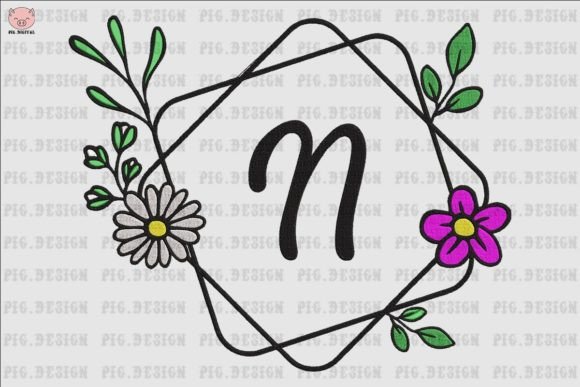
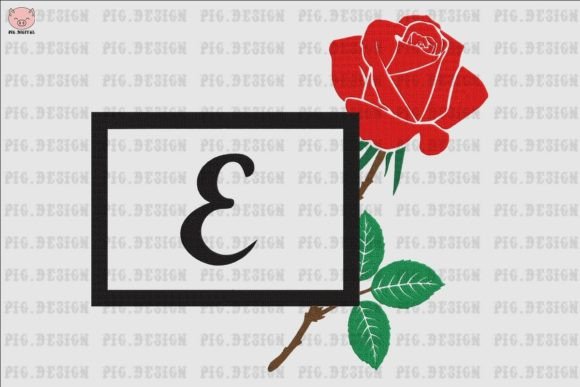
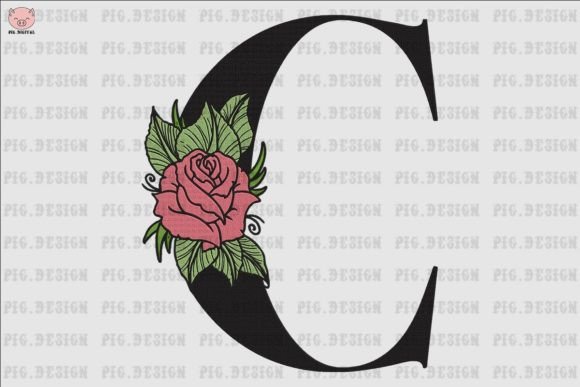
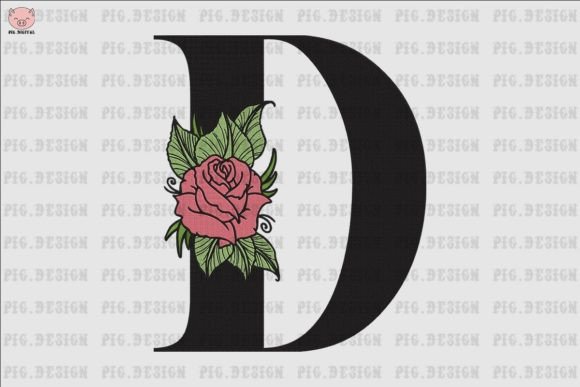
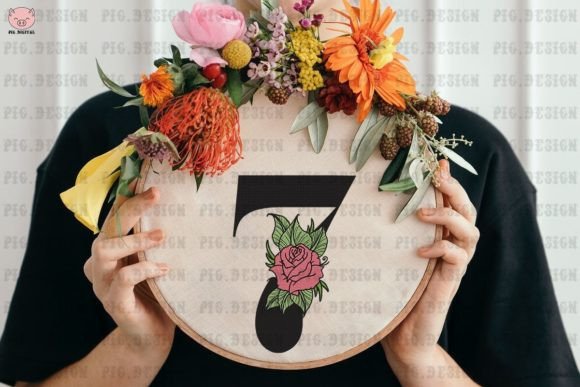
Flower Rose Font 7 carries a distinctly romantic, handcrafted feel. The rose motif woven into each letter gives it a premium, artisanal character that suits boutique brands, florists, bakeries, creative studios, and women-focused product lines. It reads as elegant without feeling stiff, and the floral details add texture that flat print cannot replicate. This is not a font for corporate minimalism or industrial uniforms. It speaks to businesses that want to communicate warmth, artistry, and handmade care.
For a small café or tea shop, this embroidery file could become the signature accent on aprons, tote bags, or staff shirts. For a florist, it aligns naturally with the visual language of petals and stems. A handmade soap or skincare brand might use it as a product label accent or packaging embellishment. The Back To School connection also makes sense for teacher appreciation gifts, personalized pencil cases, or school fundraiser merchandise where a soft, welcoming look is desired.
However, the decorative complexity means it is not a quick-read font at a glance. The rose flourishes add visual noise, so legibility at small sizes becomes a real concern. For any business use, I recommend testing the machine embroidery design at your intended dimensions before committing to production.
Performance in Real Business Applications
I stitched Flower Rose Font 7 on several common substrates to evaluate its behavior in commercial settings. Here is how it performed across typical small business merchandise:
- Embroidered patches: The rose details stitch cleanly on twill fabric with proper stabilizer. The font's inner outlines and floral accents hold shape well at medium to large sizes, making it a strong candidate for sew-on patches for aprons, bags, and jackets.
- Apron embroidery: On cotton canvas aprons, the design reads clearly and adds a refined touch. The stitch density feels balanced for this fabric weight, though I recommend a cutaway stabilizer to prevent distortion.
- Cap embroidery: This is where caution is needed. Curved cap surfaces do not favor ornate fonts. The rose flourishes can compress unevenly, especially on structured caps. If you must use it on headwear, keep the lettering large and centered, and test on a scrap cap first.
- Tote bag design: The font shines here. On cotton or linen tote bags, the floral lettering becomes a statement piece. It feels upscale and gift-worthy, which adds perceived value for customers.
- Work shirts and uniform apparel: For boutique or hospitality staff uniforms, this embroidery file creates a cohesive, charming look. But avoid placing it on busy or heavily textured fabrics where the rose details may get lost.
- Product packaging accents: As a small embroidered label sewn onto handmade goods, Flower Rose Font 7 elevates the unboxing experience and reinforces brand identity.
For Back To School merchandise such as book bags, lunch totes, or teacher gifts, this design adds a personal, thoughtful touch that parents and students appreciate. It also works for event merch like farmers market aprons or pop-up shop uniforms where a friendly, crafted aesthetic is part of the brand story.
Where to Use This Design with Caution
Every embroidery designer knows that not every design works everywhere. Flower Rose Font 7 has specific limitations that small business owners must consider before production:
- Small patch sizes: Below 2 inches in height, the rose details become muddied and the letters lose clarity. For small labels or tiny accents, choose a simpler font.
- Cap fronts and curved surfaces: The ornate outlines require a flat, stable surface. Caps, sleeve cuffs, and curved pockets are risky unless the design is scaled up and carefully hooped.
- Tiny lettering: If you are stitching a business name shorter than four characters, the floral embellishments may crowd the negative space. Test at your intended size before running a batch.
- High stitch density areas: The rose petals and leaf details create clusters of dense stitching. On thin or stretchy fabrics, this can cause puckering. Use a sturdy stabilizer and consider reducing density in your embroidery software if possible.
- Dark fabrics with dark thread: The rose outlines need contrast to read. On navy or black uniforms, choose a bright thread color and stitch a test sample to confirm legibility.
- Frequent washing: For aprons or work shirts that are washed commercially, the dense rose details may be prone to thread breakage over time. Advise clients to turn garments inside out and use gentle cycles.
If you are producing embroidered patches for resale or merch, consider a merrowed edge border to protect the design from fraying. The font's open areas and floral spacing make it suitable for patch formats, but the patch size must be generous enough to preserve the rose details.
Impact on Brand Identity and Customer Trust
Choosing an embroidery font for your small business is not just about aesthetics. It communicates how you value your brand and your customer's experience. Flower Rose Font 7 signals that you invest in detail, that your products are crafted with intention, and that you care about visual consistency across your merchandise line.
For a florist, bakery, or handmade brand, this embroidery file reinforces an identity of artisanal quality. Customers who see a rose-accented logo on an apron or tote bag perceive higher product value. This translates to stronger brand recognition, repeat purchases, and word-of-mouth marketing. In the world of small business merch, a well-chosen embroidery design becomes a silent salesperson.
However, if the design is applied to unsuitable surfaces or at illegible sizes, it can damage trust. A customer who cannot read your business name on a cap or who sees puckered stitching on a uniform may question your professionalism. This is why testing is non-negotiable. Always create a printable mockup first, then stitch a physical sample before taking orders.
For product designers and crafters selling on Etsy or at markets, Flower Rose Font 7 can differentiate your offerings from mass-produced competitors. The handmade quality of machine embroidery adds a tactile dimension that screen printing cannot match. Customers often pay a premium for embroidered goods because they associate stitching with durability and care.
Practical Embroidery Designer Notes
After multiple test stitches, here are my actionable recommendations for anyone planning to use Flower Rose Font 7 in commercial embroidery projects:
- Test in black and white first. Stitch the design using black thread on white fabric to evaluate clarity, spacing, and stitch density without color distraction. This reveals structural issues that thread color might hide.
- Check performance at small patch size. If your intended use is a 2-inch chest logo or a small label, test at that exact size. If the rose details blur, scale up or choose a different font.
- Review thread color contrast. The rose outlines require sufficient contrast against the base fabric. Light thread on dark fabric works best for this font. Avoid tonal or matching colors that wash out the details.
- Inspect letter spacing. The decorative elements may cause kerning issues, especially in short words. Adjust spacing in your embroidery software if letters appear too close or too far apart.
- Confirm hoop size. The embroidery file may require a larger hoop than standard fonts. Measure your design dimensions and verify your hoop can accommodate the full rose flourishes without compression.
- Test on real fabric. Always stitch on the exact fabric you will use for production. Fabric texture, weight, and stretch all affect how the design settles. Stabilizer choice matters more with ornate fonts.
- Use proper stabilizer. For this stitch density, a medium-weight cutaway stabilizer is recommended. Tear-away may cause distortion, especially on knits or loosely woven fabrics.
- Create a mockup for client approval. Before stitching a batch, present a digital embroidery file mockup layered onto a photo of the actual product. This sets expectations and reduces revision requests.
- Compare beside other design assets. If your brand uses multiple fonts or graphics, ensure Flower Rose Font 7 complements them visually. Inconsistent design language confuses customers.
- Confirm commercial licensing. The product description states that this machine embroidery design comes with multiple formats, but you must verify that commercial use is permitted for your intended application. Some embroidery files restrict resale or batch production. Always read the license terms before using for business.
Because the exact stitch count, file format, and hoop size are not specified in the provided description, I strongly advise checking these details with the seller or in the product documentation before you begin production. A design that works beautifully at one scale may become problematic at another, and understanding the technical specifications upfront saves time, thread, and fabric.
Final Thoughts for Small Business Owners
Flower Rose Font 7 is a charming, personality-rich embroidery file that can elevate custom apparel, tote bag design, apron embroidery, and branded merchandise for businesses with a soft, artisanal identity. It pairs naturally with floral shops, bakeries, creative studios, boutiques, and handmade brands. Its Back To School categorization also makes it a solid choice for teacher gifts, school spirit wear, and personalized student accessories.
As with any decorative font, success depends on application. Respect its size limitations, test thoroughly on your chosen fabric, and use appropriate stabilizer to protect the finished product. When used correctly, this embroidery file becomes more than lettering—it becomes a signature element of your brand's story.
For the embroidery designer reviewing options for a client, I would recommend Flower Rose Font 7 for projects where warmth, elegance, and handmade presentation are the goals. It is not a universal workhorse font, but it does not need to be. Used with intention, it creates merchandise that customers notice, remember, and treasure.